
The Science of Warmth: Why Wool Outperforms Synthetics
When the temperature drops, most of us reach instinctively for something warm. But what does warm actually mean? And why does wool — a fibre perfected by nature — consistently outperform synthetic alternatives made in laboratories?
At WeLoveWildWool, we believe the answer lies in the science.
Warmth Is Not Just Thickness
True warmth isn’t about bulk. It’s about insulation, breathability, and moisture management working together.
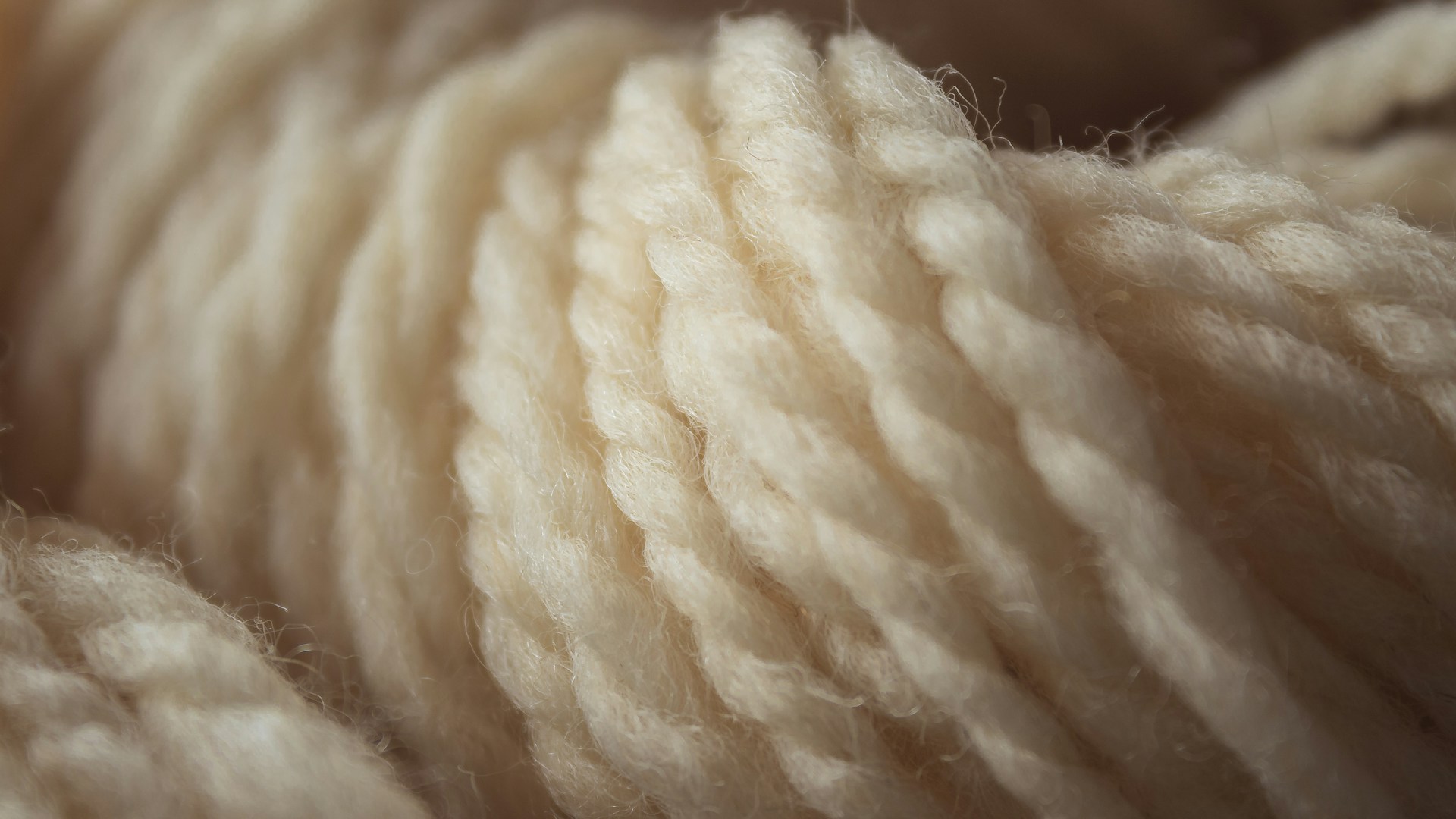
Wool fibres have a naturally crimped, three-dimensional structure. This crimp creates millions of tiny air pockets within a garment. Air is one of the best insulators available — and wool holds it effortlessly.
Synthetic fibres, by contrast, rely on engineered loft or dense construction to trap heat. While they can feel warm initially, they often lack the adaptive qualities that make wool so effective in changing conditions.
Wool doesn’t just trap heat. It regulates it.
The Magic of Moisture Management
Here’s where wool truly excels.
Wool is hygroscopic, meaning it can absorb moisture vapour from the air — up to around 30% of its own weight — without feeling wet. Even more fascinating, this absorption process releases small amounts of heat. It’s a quiet, natural chemical reaction happening at fibre level.
Synthetics such as polyester are hydrophobic. They repel moisture rather than absorbing it. While this can mean quick drying, it often leads to condensation building up against the skin — that clammy feeling many of us recognise.
Wool, on the other hand, pulls moisture away, helping maintain a stable microclimate next to your body.
Dry warmth feels different. And it lasts longer.
Breathability Without Compromise
Overheating can be just as uncomfortable as being cold. Wool responds to your body temperature and activity level, allowing excess heat to escape while still insulating.
That’s why wool performs just as well on a windswept hillside as it does layered under a coat in town. It adapts.
Many synthetic fibres are designed for specific performance outcomes — high insulation or high breathability — but rarely both in balance. Wool achieves that balance naturally.
Warm Even When Wet
One of wool’s most remarkable qualities is that it continues to insulate even when damp.
Because wool fibres absorb moisture internally while their surface remains relatively dry, the insulating air pockets are not immediately compromised. Synthetic fibres tend to lose insulating efficiency more quickly once wet, particularly if their loft collapses.
For those who work outdoors, walk in unpredictable weather, or simply live in climates where dampness is unavoidable, this difference matters.
Static, Microplastics & the Bigger Picture
Warmth is only part of the story.
Synthetic garments are derived from fossil fuels and can shed microplastics during washing and wear. These particles enter waterways and ecosystems, persisting for decades.
Wool is renewable and biodegradable. At the end of its life, it returns to the soil, slowly releasing nutrients back into the earth.
When we talk about performance, we must also consider environmental performance.
Nature Perfected It First
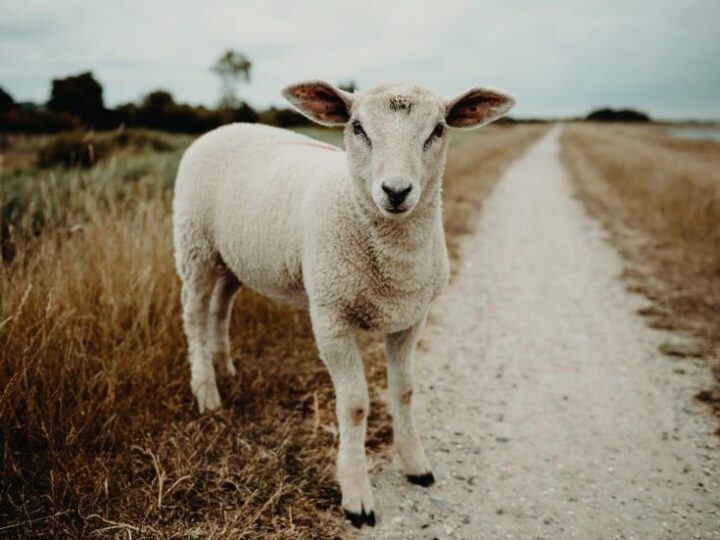
Sheep evolved wool to survive harsh winters, wind, rain and fluctuating temperatures. That evolutionary refinement spans thousands of years.
Modern synthetics have existed for barely a century.
While innovation has its place, it’s worth asking whether we sometimes overlook the materials that already work — not just effectively, but harmoniously within natural systems.
Choosing Warmth That Works With Nature
At WeLoveWildWool, we champion fibres that perform without compromise. Warmth should not come at the expense of breathability. Comfort should not create pollution. Protection should not require plastic.
Wool offers:
Natural insulation
Temperature regulation
Moisture management
Odour resistance
Biodegradability
It is warmth, engineered by nature.
And when you understand the science, the choice becomes simple.
Choose warmth that lasts.
Choose warmth that breathes.
Choose warmth that returns to the earth.
Choose wool.
Check out what we have to offer at ….